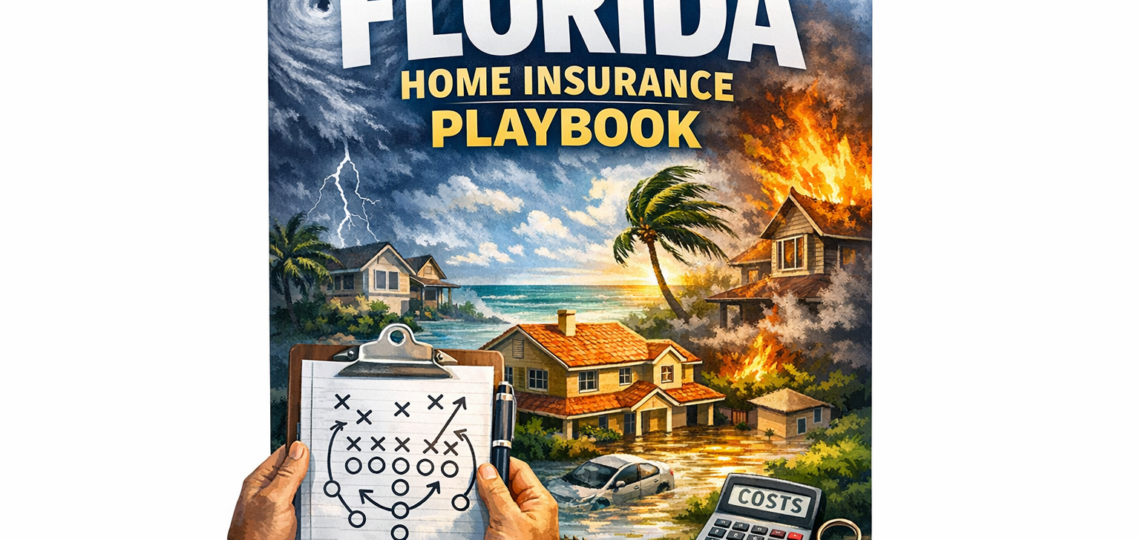
Safeguard Your Sanctuary:
Understanding Home Insurance in Florida
Overview of Home Insurance: Importance and Basics
Home insurance protects your property and belongings from unexpected disasters. In Florida, the state’s unique climate exposes homeowners to risks like hurricanes, flooding, and sinkholes. By investing in the right policy, you can safeguard your home and secure peace of mind. Most mortgage lenders also require home insurance to approve loans, making it a crucial step for homeowners.
Risks Unique to Florida: Hurricanes, Flooding, and Sinkholes
Florida homeowners face significant natural risks. Hurricanes bring high winds and heavy rains that can cause flooding and structural damage. Flooding from storm surges or heavy rainfall affects coastal and inland areas alike. Additionally, Florida’s limestone foundation creates the perfect conditions for sinkholes, which can unexpectedly damage homes. These challenges make tailored home insurance policies a necessity for every resident.
Legal and Financial Requirements for Homeowners
In Florida, mortgage lenders require you to carry home insurance. Beyond this, insurance provides legal protection if someone gets injured on your property. It also ensures financial stability by covering repair costs after a natural disaster. Without insurance, many homeowners would face overwhelming expenses, especially in high-risk areas.
The Cost of Home Insurance in Florida
Factors Affecting Premiums: Location, Home Age, and Construction Type
Your home’s location plays a huge role in determining your insurance premiums. Coastal properties and flood-prone areas generally see higher rates due to increased risk. The age and condition of your home also matter. Older homes often cost more to insure, especially if they lack modern safety features. Homes built with durable materials, such as concrete blocks, tend to have lower premiums because they can better withstand storms.
Comparing Premiums for Coastal vs. Inland Homes
Coastal homes face higher premiums because they are more vulnerable to hurricanes, storm surges, and flooding. Inland homes, in contrast, usually enjoy lower rates due to reduced exposure to these risks. However, even inland properties face risks like windstorms and heavy rainfall, which can affect their premiums.
Affordable Home Insurance Options: Discounts and Programs
Homeowners in Florida can lower their insurance costs through various discounts. Installing wind-resistant features such as hurricane shutters or reinforced roofing often yields significant savings. Security systems also qualify for discounts by reducing the risk of theft. State-backed programs like Citizens Property Insurance Corporation provide coverage options for those struggling to find affordable insurance in high-risk areas.
Protecting Against Natural Calamities
Standard Coverage for Hurricanes and Windstorms
Most home insurance policies in Florida include protection against hurricanes and windstorms. This coverage ensures your home and belongings are repaired or replaced if they suffer wind or storm damage. However, it’s essential to check your policy for details, as some require separate windstorm deductibles.
Importance of Flood Insurance: Separating Fact from Fiction
Many homeowners mistakenly believe that hurricane insurance covers flooding. In reality, standard home insurance policies do not cover flood damage. You need a separate flood insurance policy to protect your property from water damage caused by storms or rising water. Even if you don’t live in a designated flood zone, Florida’s unpredictable weather makes flood insurance a smart investment.
Special Coverage for Sinkholes and Wildfires
Sinkholes and wildfires pose unique threats in Florida. Most standard insurance policies include “ground cover collapse,” but this doesn’t cover all sinkhole-related damages. Adding sinkhole insurance ensures coverage for structural damage and repairs. Similarly, wildfire coverage protects homes in dry, forested areas, where fire risks increase during droughts.
Navigating Hurricane and Flood Insurance Policies
How Hurricane Deductibles Work in Florida
Florida insurance policies include a hurricane deductible separate from standard deductibles. This deductible activates during named storms and is calculated as a percentage of your home’s insured value, typically between 2% and 5%. For example, if your home is insured for $300,000 and your deductible is 3%, you’ll pay $9,000 before your insurance covers the remaining damage. Understanding this deductible helps you prepare for out-of-pocket expenses during storm season.
Why Flood Insurance is Essential for All Homeowners
Flood insurance is vital in Florida, even if your home isn’t in a high-risk flood zone. Standard Florida home insurance doesn’t cover water damage from flooding, making a separate policy essential. Hurricanes and tropical storms can cause unexpected flooding in low-risk areas, putting your home and finances at risk. Flood insurance provides financial protection by covering repair and replacement costs for water-damaged property.
Assessing Your Coverage Needs Based on Location
To determine your insurance needs, evaluate your home’s location and flood risk. FEMA flood maps can help you identify high-risk areas, but even moderate-risk zones can experience flooding. Coastal homes face additional threats from storm surges, while inland areas may still encounter heavy rainfall. Consulting with your insurance agent ensures you have the right coverage for your specific risks.
Discounts and Savings Opportunities
Wind Mitigation Discounts: Making Your Home Storm-Ready
Florida offers significant savings through wind mitigation discounts. Strengthening your home with features like impact-resistant windows, hurricane shutters, and reinforced doors can lower your premiums. These upgrades reduce the risk of storm damage, making your home safer and more attractive to insurers. A certified wind mitigation inspection helps you qualify for these discounts.
Security System and Hurricane Shutter Discounts
Installing a home security system or hurricane shutters can lead to additional savings on your insurance premiums. Security systems deter theft and reduce risks, while hurricane shutters protect windows from storm debris. Insurers reward these proactive measures with reduced rates, helping you save money while increasing your home’s safety.
Other Ways to Save on Home Insurance Costs
You can save on home insurance in Florida by bundling policies, increasing your deductible, or maintaining a claims-free record. Many insurers offer discounts if you bundle your home and auto insurance. Opting for a higher deductible lowers monthly premiums, but you must plan for higher upfront costs if damage occurs. Staying claims-free also shows insurers you are a low-risk homeowner, often resulting in reduced rates.
Special Programs for Florida Homeowners
Overview of the Citizens Property Insurance Corporation
The Citizens Property Insurance Corporation provides coverage for Florida residents who struggle to find affordable insurance in high-risk areas. Created by the state, this program serves as a last-resort option for homeowners. Citizens offers basic policies that cover hurricane damage, windstorms, fire, and theft, ensuring protection for those who cannot secure private insurance.
Eligibility and Coverage Details
To qualify for Citizens insurance, you must demonstrate that you can’t find private insurance costing less than 20% more than Citizens’ rate. The program covers homes, condos, and renters, but excludes luxury items or additional coverage often offered by private insurers. While limited, this coverage protects homeowners in areas with high risks of natural disasters.
Pros and Cons of Choosing Citizens Insurance
Citizens Insurance has advantages and disadvantages. On the plus side, it provides affordable coverage in high-risk areas and offers basic protection where private insurers may decline. However, it has limited coverage options, and during major disasters, claims may take longer to process due to resource constraints. For homeowners in coastal or disaster-prone areas, Citizens serves as a critical safety net, despite its limitations.
Key Considerations When Choosing Florida Home Insurance
Tailoring Coverage to Your Home’s Needs
To select the best home insurance policy, assess your home’s specific risks and needs. Homes in coastal areas may require additional flood or windstorm coverage, while properties in sinkhole-prone regions benefit from specialized policies. Evaluate your home’s construction, age, and location to ensure comprehensive protection that aligns with your unique circumstances.
Evaluating Insurance Providers for Long-Term Reliability
Choose an insurance provider with a solid reputation for reliability and timely claims processing. Look for companies with high financial strength ratings and positive customer reviews. Speak with agents to understand their coverage options and compare quotes to find a balance between affordability and reliability.
Balancing Costs with Comprehensive Protection
When choosing a policy, focus on getting the right balance between cost and coverage. Opt for a deductible that fits your budget while providing adequate protection against Florida’s natural risks. Although lower premiums may seem attractive, insufficient coverage can leave you financially vulnerable after a disaster.
How Seasonal Changes Impact Insurance Needs
Preparing for Hurricane Season: Upgrades and Maintenance
Before hurricane season begins, inspect your home for vulnerabilities. Reinforce your roof, install hurricane shutters, and secure outdoor items to reduce the risk of storm damage. Notify your insurer of any upgrades to qualify for discounts and ensure your policy reflects the enhanced protection.
Ensuring Year-Round Protection Against Florida’s Weather Risks
Florida’s diverse weather patterns require year-round vigilance. During the dry season, monitor wildfire risks by maintaining defensible space around your property. In rainy months, ensure gutters and drains remain clear to prevent water damage. Keeping your insurance coverage up to date ensures you remain protected throughout the year.
Adjusting Policies to Fit Seasonal Threats
Review your policy annually to ensure it meets your seasonal needs. If hurricane risks increase, add windstorm coverage. For wildfire-prone areas, verify that your policy includes fire damage protection. Regularly updating your coverage guarantees that your home remains secure against evolving weather conditions.
Ensuring Financial and Legal Security with Florida Home Insurance
Liability Protection for Unexpected Incidents
Home insurance doesn’t just cover your property; it also protects you from legal and financial liability. If someone gets injured on your property, your policy can cover medical bills and legal costs. This protection shields you from unexpected expenses that could otherwise jeopardize your financial security.
Coverage for Additional Living Expenses During Emergencies
If your home becomes uninhabitable after a covered event, your insurance can pay for temporary living expenses. Coverage for additional living expenses (ALE) ensures you have funds for accommodations, food, and other essentials while repairs are completed, helping you maintain stability during difficult times.
Understanding Your Policy Limits and Gaps
Review your policy carefully to understand its limits and exclusions. Standard home insurance may not cover flood damage or certain high-value items. Speak with your insurer to address gaps by adding riders or separate policies. Ensuring your coverage is complete gives you peace of mind and robust protection.
Steps to Filing a Claim During a Natural Disaster
Documenting Damage for Accurate Claims
After a disaster, document the damage to your property immediately. Take clear photographs or videos of the affected areas to capture the extent of the destruction. Create a detailed list of damaged items, including their estimated value, to provide a comprehensive report to your insurance company.
Working with Adjusters for Faster Resolution
When filing a claim, cooperate with the insurance adjuster to streamline the process. Share all relevant documentation, such as photos, receipts, and repair estimates. Be available for inspections and provide clear explanations of the damage. This approach helps adjusters process your claim more efficiently.
Common Mistakes to Avoid
Avoid delays in reporting the claim, as insurers may question the validity of damages reported late. Never start major repairs before an adjuster inspects the property unless safety is at risk. Always provide accurate information to prevent disputes or delays in claim approval.
Tips for Choosing the Right Florida Home Insurance Policy
Comparing Policies: Key Features to Look For
When comparing policies, focus on critical features such as coverage limits, exclusions, and deductible options. Look for policies that address Florida’s specific risks, like hurricanes and flooding. Ensure your policy includes additional living expenses coverage and liability protection for comprehensive security.
Consulting an Insurance Agent for Personalized Advice
Speak with an insurance agent to get tailored recommendations based on your home’s location, size, and risks. Agents can explain complex policy terms and help you identify gaps in coverage. Their expertise ensures you select a policy that fits your needs and budget.
Frequently Overlooked Details in Policy Terms
Don’t overlook essential policy details, such as separate hurricane deductibles or exclusions for flooding. Check for limitations on valuable items and ensure you add riders for high-value possessions. Understanding these details helps you avoid surprises when you file a claim.
The Role of Homeowner Preparedness
Regular Home Maintenance to Prevent Damage
Routine maintenance can prevent damage and lower the risk of claims. Inspect your roof, windows, and foundation for vulnerabilities. Address minor repairs promptly to avoid bigger issues during storms or other disasters.
Emergency Kits and Evacuation Plans
Prepare for emergencies by assembling a kit with essentials like water, food, flashlights, and batteries. Create an evacuation plan that includes routes, contacts, and shelter options. Being prepared ensures safety and reduces stress during disasters.
How Preparedness Reduces Insurance Costs
Insurers often reward proactive measures with discounts. Installing storm-resistant features, maintaining your home, and having a clear emergency plan can lower premiums. These actions demonstrate responsibility, reducing the likelihood of claims and increasing your financial savings.
Future Trends in Home Insurance for Florida Residents
Innovations in Coverage Options for Natural Disasters
Insurance providers are expanding coverage options to address emerging risks. New policies may include advanced protections for storm surges, climate change effects, and rising flood levels. Stay informed about these innovations to ensure your coverage remains up-to-date.
Climate Change Impact on Insurance Premiums
Climate change is increasing the frequency and severity of natural disasters, driving up insurance costs. Providers are adjusting premiums to reflect higher risks. Homeowners can mitigate rising costs by strengthening their homes and choosing coverage wisely.
The Growing Role of Technology in Risk Assessment
Insurers now use advanced technologies such as drones and AI to assess risks and process claims. These tools improve accuracy and speed, benefiting homeowners. Embracing technology-driven policies can offer better protection and faster claim resolutions.
Conclusion: Protecting Your Home and Finances
Recap of Key Takeaways for Florida Homeowners
Home insurance in Florida is essential for protecting your property and finances in Florida’s challenging climate. Choose a policy that addresses risks like hurricanes, flooding, and sinkholes while balancing costs and coverage.
Importance of Staying Informed and Prepared
Stay updated on changes in insurance policies, discounts, and natural disaster trends. Being informed allows you to adapt your coverage to your needs and keep your home secure.
Where to Seek Help and More Information
Consult local insurance agents, review FEMA resources, and explore state-supported programs like Citizens Property Insurance Corporation. These resources can guide you toward the best coverage for your situation.
FAQs
- What factors influence the cost of home insurance in Florida?
- Do I need separate flood insurance if I already have hurricane coverage?
- How can I qualify for discounts on home insurance?
- What are the benefits of choosing Citizens Property Insurance Corporation?
- What steps should I take to prepare my home for hurricane season?